
Philadelphia Eagles vs Chicago Bears, NFL Picks


All stats are publicly graded and pulled from real sportsbook accounts.
 RAZORLINESMLB Record: 589 - 466
MLB+$379k
NBA+$152k
NFL+$42k
Market Action
PHI @ CHI
Live odds tracking
CHI
OWLS INSIGHTAPI / DATA10% OFF First 3-Months
✓Betting Splits✓Real-Time Odds✓Websocket Push
Model Projection
These numbers come from a power-rating model built on the method Billy Walters lays out in his book Gambler.
Projected Spread
CHI -1
Market
CHI +3.5 (-113)
Projected Total
47.5
Market
44 (O -109 / U -103)
Projected Moneyline
CHI -110
Market
CHI +165
This projection and current market action are supplementary and do not influence the final qualitative pick and analysis of today's game.
Season stats ordered from most to least relevant. Longer bar, stronger league standing.
PHICHI
Matchup Breakdown
Philadelphia's offense: A quietly efficient unit in the 2026 season, Philadelphia converts third downs at one of the better rates in the league and is solid when they reach the red zone. They are not a big-play offense, but they sustain drives and protect the ball about as well as most teams.
Chicago's offense: One of the most productive and high-scoring offenses in the league, Chicago's biggest weapon is a rushing attack that ranks at the very top of the league in the 2026 season. They move the chains efficiently on third down as well, though they have been less reliable finishing drives once they get inside the red zone.
Philadelphia's defense: Philadelphia is among the better units in the league at limiting yards through the air, making them a legitimate obstacle for passing offenses. The concern is their vulnerability against the run and a near-total absence of takeaways, which puts them among the least disruptive defenses in the league despite their solid overall yardage numbers.
Chicago's defense: Chicago's defense creates turnovers at one of the higher rates in the league and generates a solid pass rush, giving it real playmaking ability. The tradeoff is that they give up significant yardage, particularly through the air, and tend to bend in the red zone more than most defenses.
Overall: The most important collision in this matchup is Chicago's dominant ground game meeting a Philadelphia run defense that ranks among the weaker units in the league, a structural advantage that directly favors the home team. Philadelphia's strength in pass coverage is largely neutralized because Chicago does not rely heavily on throwing the ball. Chicago has the more complete profile on both sides of the ball, and their offense is built to attack the one area where Philadelphia is most exposed.
Quarterback Matchup
The two starters, and how each has actually played.
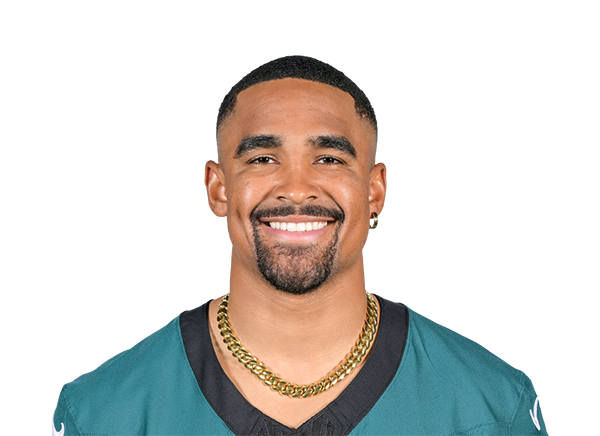
Jalen Hurts
QB #1 · PHI
2026 season numbers
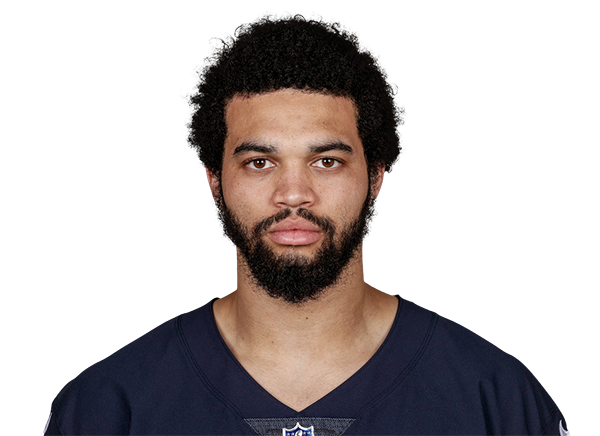
Caleb Williams
QB #18 · CHI
2026 season numbers
The Read
Philadelphia's quarterback: Jalen Hurts has been a productive, multi-dimensional passer in the 2026 season, generating scoring plays at a strong clip while moving the chains efficiently on a per-throw basis. He carries some turnover exposure but his overall output places him firmly in the upper tier of NFL starters.
Chicago's quarterback: Caleb Williams has been accurate and relatively careful with the football in the 2026 season, completing passes at a comparable rate to Hurts. His volume and scoring production have lagged behind, however, leaving him a clear step below in terms of overall impact.
The protection: Both quarterbacks have absorbed pressure at a similar rate, with Hurts going down slightly more often. Neither line has been dominant in pass protection, but the difference is small enough that it is unlikely to tilt the matchup on its own.
Overall: Hurts holds the meaningful edge under center, not because Williams has been bad but because Hurts has consistently done more with his opportunities in the 2026 season, creating more scoring chances and sustaining drives at a higher level. In a game where the Eagles are on the road, having the more proven and productive quarterback helps offset the home-field variable. Williams is capable of keeping Chicago in the game, but the gap between these two starters is real and points toward Philadelphia at the position.
Team Conditions
Schedule rest, recent form, and the current injury report.
PHICHI
Rest
8 days since the last game, more rest than a normal week.
8 days since the last game, more rest than a normal week.
Form
2026 record 2-0 (home 1-0, road 1-0)
2026 record 1-1 (home 0-1, road 1-0)
InjuryKey Players
D. Goedert (TE) - SEP 21 · Doubtful
J. Greenard (LB) - SEP 21 · Out
S. Barkley (RB) - SEP 20 · Questionable
E. Stowers (TE) - SEP 12 · Injured Reserve
C. Williams (QB) - SEP 21 · Doubtful
A. Johnson Jr. (S) - SEP 21 · Out
T. Stevenson Sr. (CB) - SEP 20 · Questionable
The Read
Philadelphia's availability: Goedert is listed as doubtful and Barkley is questionable, leaving the offense potentially short at both tight end and running back. A second tight end is already on injured reserve, thinning the position group further.
Chicago's availability: Caleb Williams carries a doubtful designation, putting the Bears' starting quarterback in genuine doubt for this game. The secondary is also losing a safety to a confirmed absence, adding another layer of uncertainty to Chicago's defensive backfield.
Rest and form: Both teams enter on extended rest, so neither side holds an advantage in preparation time. Philadelphia is undefeated through the opening weeks of the 2026 season while Chicago has already absorbed a home loss.
Overall: The clearest difference between these rosters heading into this game is the quarterback situation in Chicago, where Williams' doubtful status introduces real uncertainty at the most consequential position on the field. Philadelphia's injury concerns are meaningful but concentrated in supporting roles rather than at the position that most shapes outcomes. The Eagles' clean record in the 2026 season reflects a team in a more settled operational state than Chicago.
Weather & Stadium
Game-time conditions and whether they actually matter here.
67°F
Soldier Field
Open Air
Roof: Open air, conditions are in play
Temperature: 67°F, comfortable football weather, no effect on the passing game
Wind: 6mph, light enough to leave the passing and kicking game alone
Precipitation: 4% chance, conditions should stay dry
The Read
The stadium: Soldier Field is an open-air venue on the lakefront, so weather is always a live variable, but on this particular day there is nothing threatening about what is overhead.
The conditions: Mild temperatures, a negligible breeze, and a near-zero chance of rain add up to a neutral playing surface where neither the passing game nor the kicking game faces any meaningful resistance.
Overall: These are as close to controlled conditions as an outdoor stadium produces, and nothing in the forecast tilts the game toward a lower-scoring, grind-it-out result. The total should be set on the merits of Philadelphia's offense and Chicago's defense rather than any environmental drag. Weather is not a factor here.
Side Write-Up
Chicago's ground game ranks at the very top of the league in the 2026 season, and they are drawing a Philadelphia run defense that sits among the weakest units in football, a structural advantage that defines the physical identity of this matchup from the first series. Philadelphia arrives at Soldier Field with Goedert listed as doubtful and Barkley questionable, leaving the Eagles potentially short at both tight end and running back at the same moment they are facing a Chicago defense that creates turnovers at one of the higher rates in the league. That combination of offensive attrition and a defense prone to generating takeaways puts genuine pressure on Philadelphia to protect the ball and sustain clean drives, which are not easy asks for a road team missing key skill players. Chicago moves the chains efficiently on third down as well, meaning the Bears are built to control possession and field position rather than trade scores with a unit that is better at passing than stopping the run. The strongest argument against Chicago is Caleb Williams' doubtful designation, which puts the Bears' starting quarterback in real doubt and could force them into a meaningful game without their most important offensive weapon. Williams' absence would matter, but Chicago's offense is constructed around the ground game rather than his arm, and the structural edge against Philadelphia's run defense remains fully intact regardless of who takes the snaps for the Bears. A defense built on takeaways can manufacture short fields that even a backup quarterback can convert, and playing at home against a Philadelphia team operating short of its full complement of weapons only reinforces that the Bears have enough structural support to keep this game close or win it outright.
Final PickChicago +3.5
Total Write-Up
Both offenses in this game have the tools to produce points, and both defenses have shown real vulnerability to giving up yards in the 2026 season, which is the straightforward structural case for the over. Chicago's offense is among the most productive and high-scoring units in the league, led by a rushing attack that ranks at the very top of the league and that is meeting a Philadelphia run defense that cannot stop it, meaning the Bears figure to move the ball and score consistently throughout the game. Philadelphia's defense generates almost no turnovers, sitting near the bottom of the league in takeaways, which removes one of the few mechanisms by which a weak run defense could compensate and allows Chicago to sustain drives without the threat of disruption. On the other side, Chicago's defense gives up significant yardage, especially through the air, and Jalen Hurts has been one of the more productive scorers among NFL starters in the 2026 season, creating a genuine mismatch that benefits Philadelphia's ability to put points on the board. Chicago's defense also bends in the red zone, converting defensive possessions into points for the opposing offense rather than true shutdowns, and the weather at Soldier Field is neutral, with mild temperatures and negligible wind offering no environmental reason to expect a sluggish game. The strongest counterargument to the over is Caleb Williams' doubtful designation, which could significantly blunt Chicago's scoring output if the Bears are operating with a backup quarterback for the full game. That concern is legitimate, but Chicago's offense runs through the ground rather than Williams' arm, Philadelphia's defense is structurally incapable of stopping that ground game and generates almost no turnovers to end drives, and Chicago's porous secondary figures to keep Hurts productive enough on the other side of the ledger to carry the total over regardless.
Final PickOver 44.5
This information is for entertainment purposes only and is not any form of financial or gambling advice. Sports involve high variance therefore always be responsible and manage your risk accordingly.
On this page
All stats are publicly graded and pulled from real sportsbook accounts.
RAZORLINESMLB Record: 589 - 466MLB+$379k
NBA+$152k
NFL+$42k
Tools
Loading tools…
Other games this week



Free Promos for Your Next Bet!
Current offers for your area. Pick your region and the list updates.
Select Your Location