
Philadelphia Eagles vs Washington Commanders, NFL Picks


All stats are publicly graded and pulled from real sportsbook accounts.
 THEMONEYPLAYSNFL Record: 949 - 531
NFL+$171k
MMA+$42k
Others+$23k
Market Action
PHI @ WSH
Live odds tracking
PHI

OWLS INSIGHTAPI / DATA10% OFF First 3-Months
✓Betting Splits✓Real-Time Odds✓Websocket Push
Model Projection
These numbers come from a power-rating model built on the method Billy Walters lays out in his book Gambler.
Projected Spread
WSH -6.5
Market
WSH -3.5 (-110)
Projected Total
45.5
Market
40.5 (O -105 / U -110)
Projected Moneyline
WSH -215
Market
WSH -180
This projection and current market action are supplementary and do not influence the final qualitative pick and analysis of today's game.
Season stats ordered from most to least relevant. Longer bar, stronger league standing.
PHIWSH
Matchup Breakdown
Philadelphia's offense: One of the least productive units in the league in the 2026 season, struggling to generate yards through the air or on the ground and scoring at one of the lowest rates in football. The one notable strength is red zone efficiency, where they finish drives with touchdowns at a better rate than most teams.
Washington's offense: A functional but unspectacular unit with a notably strong ground game that struggles badly to convert on third downs, one of the worst rates in the league. Ball security is a genuine asset, as Washington has been among the most careful with the football of any team in the 2026 season.
Philadelphia's defense: Better than Washington's by most meaningful measures, sitting around the league median in points allowed with solid red zone and third down stop rates. The pass rush has been one of the quieter units in the league, and the defense rarely forces turnovers, so it depends on opponents stalling out rather than creating big plays.
Washington's defense: Gives up points at one of the higher rates in the league and owns the worst red zone touchdown rate allowed of any defense in the 2026 season, making it a genuine liability in scoring situations. The run defense is a legitimate strength, but the pass coverage and third down resistance both rank among the weaker units in the league.
Overall: The sharpest collision in this game is Philadelphia's red zone scoring rate, one of the better marks in the league, running directly into Washington's red zone defense, the worst allowed rate in the 2026 season. Philadelphia's defense, while far from dominant, is measurably better than Washington's at keeping the scoreboard in check. Despite struggling to move the ball consistently, those two structural edges give Philadelphia the more favorable matchup picture on paper.
Quarterback Matchup
The two starters, and how each has actually played.
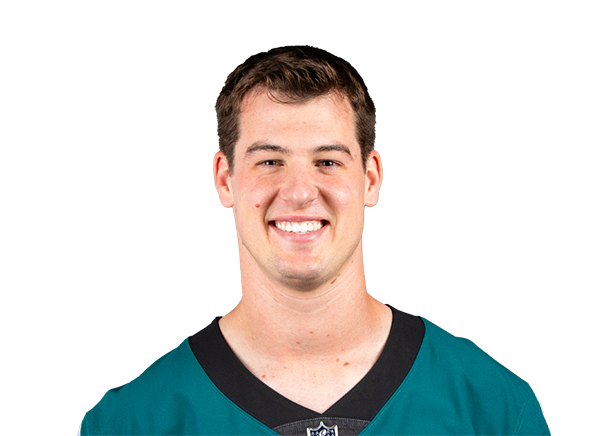
Tanner McKee
QB #16 · PHI
2026 season numbers
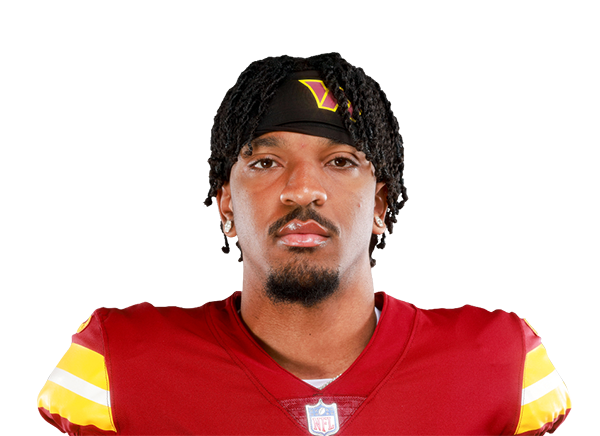
Jayden Daniels
QB #5 · WSH
2026 season numbers
The Read
Philadelphia's quarterback: Tanner McKee has struggled to find consistency in the 2026 season, with accuracy and downfield production both falling short of what a functioning starting offense typically requires. He has avoided turnovers but has not generated much in the way of scoring or meaningful yardage through the air.
Washington's quarterback: Jayden Daniels has been a productive and decisive passer in the 2026 season, accumulating touchdowns at a strong rate while keeping the ball out of opposing hands. He has shown the ability to complete passes at a high clip and create genuine downfield threat.
The protection: Daniels has absorbed a notable amount of pressure from opposing pass rushes, taking more sacks than most starters despite his strong production. McKee has been kept cleaner up front but has not converted that protection advantage into efficient or productive play.
Overall: Washington holds the clear edge at quarterback, with Daniels showing the kind of accuracy, scoring production, and ball security that McKee has not approached in the 2026 season. The gap between the two starters is one of the more pronounced positional advantages in this matchup, and it leans heavily toward the home side.
Team Conditions
Schedule rest, recent form, and the current injury report.
PHIWSH
Rest
Standard week of preparation, 6 days rest.
Coming off a bye, 13 days between games.
Form
2026 record 2-4 (home 1-2, road 1-2)
2026 record 1-4-1 (home 1-1-1, road 0-3)
InjuryKey Players
N. Smith Jr. (LB) - OCT 24 · Out
S. Barkley (RB) - OCT 24 · Questionable
D. Smith (WR) - OCT 24 · Out
J. Greenard (LB) - OCT 24 · Questionable
M. Carter II (CB) - OCT 24 · Out
E. Stowers (TE) - OCT 24 · Injured Reserve
G. Calcaterra (TE) - OCT 24 · Injured Reserve
D. Wicks (WR) - OCT 24 · Out
J. Hunt (LB) - OCT 20 · Questionable
J. Hurts (QB) - OCT 19 · Injured Reserve
None reported
The Read
Philadelphia's availability: Philadelphia arrives with a notably depleted skill position group, as Saquon Barkley's availability at running back is uncertain and DeVonta Smith is confirmed out at wide receiver, thinning the offensive options on the road. Additional absences across linebacker, cornerback, and tight end add up to a roster that is meaningfully short of full strength.
Washington's availability: Washington has no significant injuries to report and expects a complete roster for this game, which is a quiet but real advantage.
Rest and form: Washington comes in with the preparation edge after a bye, having had nearly twice as long between games as Philadelphia on a standard week. Both teams have been uneven in the 2026 season, though Philadelphia's most recent game ended in a win while Washington's last result before the bye was a loss.
Overall: Washington enters this matchup in a stronger logistical position, with a healthy roster and extra rest working in their favor. Philadelphia's injury picture at skill positions is genuine rather than cosmetic, and playing away from home with those absences adds to the degree of difficulty. Washington holds the edge in availability and preparation heading into this game, though neither side has shown the kind of consistent form in the 2026 season that would make either a convincing choice on results alone.
Weather & Stadium
Game-time conditions and whether they actually matter here.
53°F
Northwest Stadium
Open Air
Roof: Open air, conditions are in play
Temperature: 53°F, comfortable football weather, no effect on the passing game
Wind: 4mph, light enough to leave the passing and kicking game alone
Precipitation: 27% chance, conditions should stay dry
The Read
The stadium: Northwest Stadium is an open-air venue, so temperature, wind, and precipitation are all live factors for this game. That said, the forecast gives conditions little leverage over the outcome.
The conditions: Comfortable autumn temperatures and a barely detectable breeze leave both the passing game and special teams fully intact, and a low precipitation chance makes a dry afternoon the clear expectation.
Overall: Nothing in the forecast meaningfully nudges the total or forces either team away from its preferred style. Philadelphia's passing attack and Washington's offensive structure can operate without weather interference, and any movement in this number traces back to personnel and scheme rather than what is happening outside.
Side Write-Up
The quarterback gap is the load-bearing piece of this result. Jayden Daniels has been accurate, productive, and careful with the ball through the 2026 season, accumulating touchdowns at a strong rate while keeping his turnover count low, and Tanner McKee has done none of that, failing to convert clean protection into anything resembling consistent or efficient offense. Washington also arrives in a stronger logistical position than Philadelphia on both counts that matter most before kickoff: a full and healthy roster against a depleted one, and a bye week worth of extra preparation against a Philadelphia side that played on a standard schedule. The injury picture on Philadelphia's side is not cosmetic either, with DeVonta Smith confirmed out and Saquon Barkley's availability at running back still uncertain, thinning a skill position group that was already one of the least productive in the league in the 2026 season. Playing away from home with those absences adds another layer to the degree of difficulty. The strongest counterargument is that Philadelphia's defense is measurably better than Washington's and sits around the league median in points allowed, giving the Eagles a genuine structural edge in keeping the scoreboard manageable. But a defense that depends on opponents stalling out rather than generating turnovers or pass rush pressure is a fragile thing to lean on when the opposing quarterback is one of the more decisive and ball-secure starters in the 2026 season, and the quarterback, roster health, and rest advantages all pointing the same direction is a combination that outweighs a modest defensive edge.
Final PickWashington
Total Write-Up
The structural case for the over runs directly through the sharpest collision on the board: Philadelphia's red zone offense, one of the better finishing units in the league in the 2026 season, facing Washington's red zone defense, which allowed touchdowns at the worst rate of any defense in the 2026 season. That pairing means Philadelphia does not need to be a dominant or consistent offensive unit to put points on the board, because their ability to finish drives with touchdowns rather than field goals is a real and documented strength running into a genuine defensive liability. Daniels adds to the scoring picture from Washington's side, bringing a downfield threat and the kind of accuracy and production that McKee has not approached, and Washington's ball security and functional ground game produce the kind of sustained possessions that typically end in points rather than punts. The weather contributes nothing to suppressing either offense, with comfortable temperatures, minimal wind, and a dry forecast leaving both the passing game and special teams fully operational at Northwest Stadium. The strongest counterargument is Philadelphia's broader offensive futility in the 2026 season, compounded by the confirmed and uncertain absences at skill positions that make the floor on their output genuinely low. That concern is real but does not reach the red zone, where Philadelphia's efficiency partially decouples their scoring from their yardage production, meaning the Eagles can be bad movers of the ball and still convert their red zone appearances at a high rate against the worst red zone defense in the league. The combination of two offenses with credible scoring paths, the worst red zone defense on either sideline, and no weather suppression makes the over the natural destination for the total.
Final PickOver

Written by
VIMB
47,000+
Followers Across All Socials
17+
Brand Partners
3+
Years Experience
1,000+
Games Tested
This information is for entertainment purposes only and is not any form of financial or gambling advice. Sports involve high variance therefore always be responsible and manage your risk accordingly.
All stats are publicly graded and pulled from real sportsbook accounts.
THEMONEYPLAYSNFL Record: 949 - 531NFL+$171k
MMA+$42k
Others+$23k
Tools
Loading tools…
Other games this week
 NFL
 VS
 Pittsburgh Steelers vs New Orleans Saints9:30 AM ET›NFL
 VS
 San Francisco 49ers vs Atlanta Falcons1:00 PM ET›NFL
 VS
 Cleveland Browns vs Tennessee Titans1:00 PM ET›NFL
 VS
 Indianapolis Colts vs Minnesota Vikings1:00 PM ET›NFL
 VS
 Miami Dolphins vs New York Jets1:00 PM ET›NFL
 VS
 Tampa Bay Buccaneers vs Carolina Panthers1:00 PM ET›NFL
 VS
 Cincinnati Bengals vs Baltimore Ravens1:00 PM ET›NFL
 VS
 New York Giants vs Houston Texans1:00 PM ET›NFL
 VS
 Denver Broncos vs Arizona Cardinals4:05 PM ET›NFL
 VS
 Green Bay Packers vs Detroit Lions4:25 PM ET›NFL
 VS
 Los Angeles Rams vs Las Vegas Raiders4:25 PM ET›NFL
 VS
 Kansas City Chiefs vs Seattle Seahawks8:20 PM ET›
Free Promos for Your Next Bet!
Current offers for your area. Pick your region and the list updates.
Select Your Location