
Phoenix Suns vs Utah Jazz, NBA Picks



All stats are publicly graded and pulled from real sportsbook accounts.
 RAZORLINESNBA Record: 236 - 172
MLB+$379k
NBA+$152k
NFL+$42k
Model Projection
These numbers come from a power-rating model built on the method Billy Walters lays out in his book Gambler, seeded from ESPN's own real NBA power index.
Projected Spread
PHX -1.5
No real live market line available yet.
Projected Total
233.5
No real live market line available yet.
Projected Moneyline
PHX -120
No real live market line available yet.
This projection and current market action are supplementary and do not influence the final qualitative pick and analysis of today's game.
Season stats ordered from most to least relevant. Longer bar, stronger league standing.
PHXUTAH
Matchup Breakdown
Suns's offense: Phoenix shoots the ball well from the field and from three, landing in the top third of the league in both categories, and they take care of the ball better than most teams. Their scoring sits in the middle of the pack, but their efficiency markers suggest they can move the ball and convert when they need to.
Jazz's offense: Utah struggles across nearly every offensive category in the 2026-27 season, ranking near the bottom of the league in shooting percentage, three-point shooting, and assists. They also give the ball away at one of the higher rates in the league, which compounds the damage from poor shooting nights.
Jazz's defense: Utah has one of the better defensive rebounding units in the league and blocks shots at a rate that ranks among the best, giving them a physical presence around the rim. Outside of that, they surrender points freely and generate very few steals, leaving them exposed on the perimeter.
Suns's defense: Phoenix allows points at a rate worse than most teams and pulls down defensive rebounds at one of the lowest rates in the league, a real concern against active offensive boards. Their steals and blocks land near the middle of the pack, offering little to offset the rebounding gap.
Overall: Phoenix carries a clear offensive edge into this matchup, and they face a Jazz defense that has the size to protect the rim but bleeds points and rarely takes the ball away. The collision that stands out most is Utah's poor shooting running into a Suns team that defends the boards poorly, meaning Jazz offensive rebounders could generate extra possessions against a Phoenix team that struggles to close them out. Still, the gap in offensive efficiency heavily favors the Suns, who are simply the more complete team in the 2026-27 season.
Scorer Matchup
Each team's real detected leading scorer, and how he has actually played.
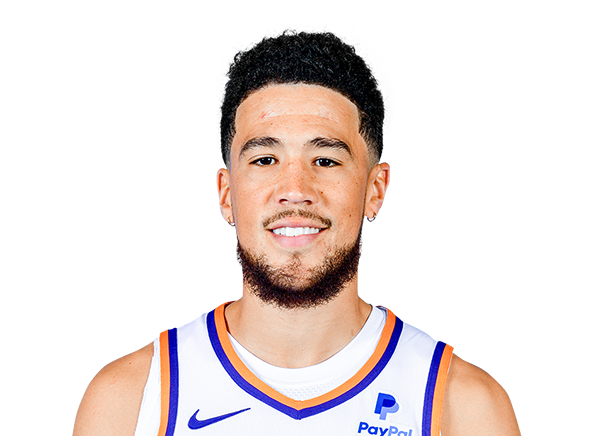
Devin Booker
G · PHX
2026-27 season numbers
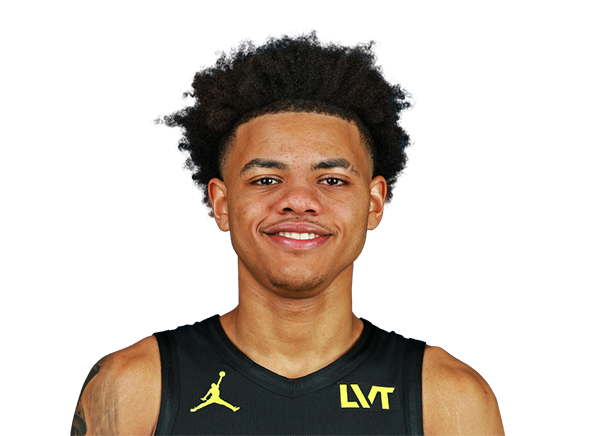
Keyonte George
G · UTAH
2026-27 season numbers
The Read
Suns's leading scorer: Devin Booker has been a high-volume offensive engine in the 2026-27 season, carrying a heavy scoring load while also functioning as a legitimate playmaker. He draws fouls at a strong rate and converts them at a near-perfect clip.
Jazz's leading scorer: Keyonte George has taken on a larger role in the 2026-27 season, contributing across scoring, rebounding, and playmaking in roughly equal measure. He is more of an all-around contributor than a pure bucket-getter.
The efficiency: Booker has shot the ball considerably better from the field and from three, and his free throw accuracy gives him a cleaner path to points even when his shot is not falling. George has been less efficient in converting his attempts, which costs Utah's offense when he is the primary option.
Overall: Booker holds a clear edge in both scoring volume and shooting efficiency, making him the more dangerous individual offensive weapon on the floor. George's playmaking numbers are strong and he rebounds well for a guard, but his shot-making has not matched Booker's level in the 2026-27 season. The gap at the top of each team's scoring hierarchy favors Phoenix in this matchup.
Team Conditions
Schedule rest, recent form, and the current injury report.
PHXUTAH
Rest
Standard preparation, 2 days rest.
Standard preparation, 2 days rest.
Form
2026-27 record 5-6 (home 5-3, road 0-3)
2026-27 record 1-11 (home 1-6, road 0-5)
InjuryKey Players
M. Williams (C) - SEP 11 · Out
T. Alexander (G) - NOV 12 · Out
L. Markkanen (F) - NOV 11 · Out
J. Nurkic (C) - NOV 6 · Out
J. Jackson Jr. (F) - OCT 27 · Out
The Read
Suns's availability: Phoenix is missing their starting center, though the rest of their roster appears healthy and available. The absence at center is a meaningful gap but the Suns can function around it.
Jazz's availability: Utah is without multiple contributors across multiple positions, including Lauri Markkanen, Jusuf Nurkic, and additional rotation pieces. The cumulative depth loss is substantial and leaves the Jazz thin across the frontcourt and backcourt.
Rest and form: Both teams come in on equal footing in terms of preparation. The Suns have been winning more than losing in the 2026-27 season and have strung together several consecutive wins recently, while the Jazz have dropped every game in their recent stretch and carry one of the worse overall records in the league.
Overall: Phoenix enters this game in a meaningfully stronger position on nearly every front. Utah's injury situation removes several of its best players, and the Jazz have been losing consistently through the 2026-27 season with no sign of that changing lately. The Suns carry real momentum and a healthier roster into a road game against a depleted opponent.
Side Write-Up
Phoenix covers the spread on the back of a lopsided matchup at nearly every level of the game. The Suns rank in the top third of the league in field goal percentage and three-point shooting in the 2026-27 season, and they face a Jazz defense that surrenders points freely and generates almost no steals, meaning Phoenix will get clean looks without much pressure on the ball. Devin Booker is the most efficient primary scorer in this game, shooting considerably better from the field and from three than Keyonte George, and he draws fouls at a strong rate and converts them at a near-perfect clip, giving him multiple paths to points even on difficult nights. Utah is also without Lauri Markkanen, Jusuf Nurkic, and several other rotation pieces, leaving the Jazz thin in the frontcourt and backcourt and limiting their ability to match up physically or sustain offensive possessions. Phoenix has strung together several consecutive wins while the Jazz have dropped every game in their recent stretch, so the form gap adds real weight to the talent and health gap. The strongest counterargument against this pick is that Utah blocks shots at one of the highest rates in the league and their defensive rebounding is among the best, giving them a genuine physical presence that could bother a Suns team missing their starting center at the rim. That physical advantage at the rim is real, but it cannot compensate for Utah's systemic offensive dysfunction, the depth they lost to injury, or the gap in shooting efficiency between Booker and anyone Utah will deploy as its primary option.
Final PickPhoenix Suns
Total Write-Up
The over makes sense here because both teams contribute to a high-scoring environment in ways that compound rather than cancel out. Phoenix shoots efficiently from the field and from three in the 2026-27 season, they protect the ball well, and their offense runs through one of the more dangerous individual scorers in the game, which means they will produce points at a consistent rate across four quarters. Utah's defense, while capable of protecting the rim and blocking shots, surrenders points freely in the aggregate and generates almost no turnovers on the perimeter, leaving Phoenix free to operate in space and get into their offense without disruption. Utah's own offense is a source of extra possessions even when it fails, because they give the ball away at one of the higher rates in the league, which hands Phoenix short-field opportunities that add to the total. Phoenix also pulls down defensive rebounds at one of the lowest rates in the league, which means Utah's offensive rebounders will generate extra opportunities and second-chance points even on a night when Utah's shooting percentage is poor. Taken together, an efficient Phoenix offense, a Jazz defense that bleeds points, and a Phoenix defense that cannot close out possessions all point in the same direction. The genuine counterargument is that Utah ranks near the bottom of the league in shooting percentage and three-point shooting, meaning their own offensive contribution to the total may fall well short, but the combination of Phoenix's efficiency, the Jazz's defensive leakiness, and the extra possessions created by poor rebounding on both ends gives the total enough support even without Utah producing an efficient offensive game.
Final PickOver

Written by
Trevor Nolan
This information is for entertainment purposes only and is not any form of financial or gambling advice. Sports involve high variance therefore always be responsible and manage your risk accordingly.
All stats are publicly graded and pulled from real sportsbook accounts.
RAZORLINESNBA Record: 236 - 172MLB+$379k
NBA+$152k
NFL+$42k
Other Games Today











Promos for Your Next Bet
Current offers for your area. Pick your region and the list updates.
Select Your Location