
UCF Knights vs Colorado Buffaloes, NCAAF Picks



All stats are publicly graded and pulled from real sportsbook accounts.
 GreekOracleNCAAF Record: 158 - 83
Tennis+$26k
NCAAF+$25k
Soccer+$14k
Market Action
UCF @ COLO · Betting Splits: Money % and Ticket %
Live odds tracking
COLOCOLO Money %COLO Ticket %

OWLS INSIGHTAPI / DATA10% OFF First 3-Months
✓Betting Splits✓Real-Time Odds✓Websocket Push
Model Projection
These numbers come from a power-rating model built on the method Billy Walters lays out in his book Gambler.
Projected Spread
COLO -1
Market
COLO -1.5 (-115)
Projected Total
53.5
Market
50.5 (O -105 / U -108)
Projected Moneyline
COLO -110
Market
COLO -120
This projection and current market action are supplementary and do not influence the final qualitative pick and analysis of today's game.
Season stats ordered from most to least relevant. Longer bar, stronger national standing.
UCFCOLO
Matchup Breakdown
UCF's offense: Scores at a reasonable rate for the 2026 season despite below-average yardage output, so the points come efficiently rather than through sustained drives. Ball security is a genuine strength, though third-down conversion is a weak spot that ranks near the bottom nationally.
Colorado's offense: Passes at a level that compares favorably with the better air attacks in the country for the 2026 season, yet actual scoring ranks among the lowest in college football. The gap between yardage and points traces directly to turnovers, with Colorado giving away possession at nearly the worst rate nationally.
UCF's defense: Limits scoring better than the average FBS defense for the 2026 season and generates takeaways at an above-average rate, giving the Knights a real edge in winning the turnover battle. The pass defense gives up yards through the air regularly, which is a consistent vulnerability opposing offenses can find.
Colorado's defense: Stuffs plays behind the line and pressures the quarterback at rates that rank among the very best in college football for the 2026 season, and overall turnover creation is at nearly a historic level. The pass coverage is poor, though, with opposing offenses moving the ball through the air with more consistency than Colorado's other defensive numbers would suggest.
Overall: UCF carries the more complete profile into this matchup. Colorado's offense generates passing yards at an impressive rate but undermines itself with an unprecedented volume of giveaways, and UCF's defense is built to convert those mistakes into scoring opportunities. Colorado's disruptive defense is legitimate, but UCF takes care of the ball better than most teams the Buffaloes have faced, which blunts the one area where Colorado's defense is genuinely dangerous.
Quarterback Matchup
The two starters, and how each has actually played.
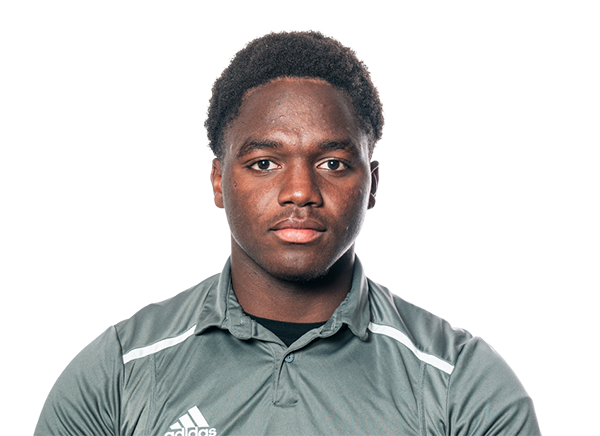
Keyone Jenkins
QB #12 · UCF
2026 season numbers
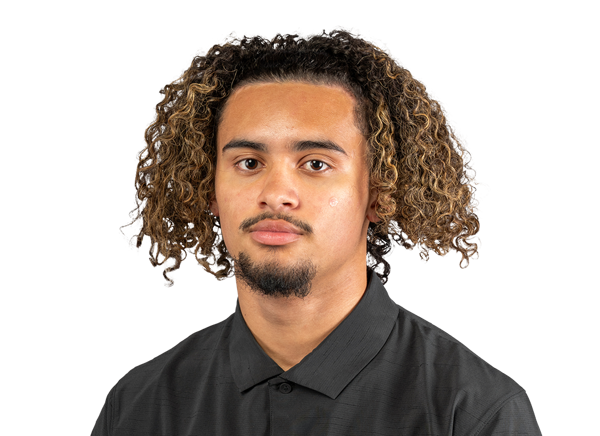
Julian Lewis
QB #10 · COLO
2026 season numbers
The Read
UCF's quarterback: Jenkins has been a reliable short-to-intermediate passer in the 2026 season, completing passes at a high rate but keeping the ball close to the line of scrimmage rather than pushing it downfield. He has produced touchdowns at a solid clip but carries some turnover risk.
Colorado's quarterback: Lewis has been the more aggressive thrower in the 2026 season, generating more yards per game and per attempt by consistently attacking deeper areas of the field. He has also been more careful with the football, posting a low interception count relative to his volume.
The protection: Both lines have allowed their starter to be brought down at a similar rate, so neither offense enters the game with a clean edge in front of their quarterback. Lewis has taken the ball down the field faster on average, which helps him absorb pressure, while Jenkins has leaned on quick throws to manage his sack count.
Overall: Lewis holds the real edge at quarterback, combining stronger per-attempt production with better ball security, a combination that makes him the more dangerous starter even if completion percentages are close. Jenkins is a capable manager of an offense but has not shown the ability to hurt a defense vertically the way Lewis has in the 2026 season. In a game where field position and explosive plays could decide the outcome, that gap in downfield threat gives Colorado a meaningful advantage under center.
Team Conditions
Schedule rest, recent form, and the current injury report.
UCFCOLO
Rest
Standard week of preparation, 7 days rest.
Standard week of preparation, 7 days rest.
Form
2026 record 6-5 (home 5-2, road 1-3)
2026 record 4-7 (home 3-2, road 1-5)
InjuryKey Players
A. Barnett III (QB) · Out - Hamstring
D. Thomas Jr. (WR) · Out - Undisclosed
L. Carter (LB) · Out - Undisclosed
D. Wade (TE) · Questionable - Shoulder
M. Welch (RB) · Questionable - Hand
Z. Atkins (TE) · Out - Undisclosed
C. Williams (TE) · Questionable - Undisclosed
D. Scudero (WR) · Questionable - Undisclosed
M. Vickers (CB) · Questionable - Undisclosed
K. Perry (WR) · Questionable - Undisclosed
T. Martinez (LB) · Questionable - Undisclosed
The Read
UCF's availability: UCF is traveling without their starting quarterback, Barnett, who is sidelined with a hamstring injury, and that is the most consequential absence on either roster. A wide receiver and a linebacker are also confirmed out, and a tight end is uncertain.
Colorado's availability: Colorado has a longer list of players in doubt, spanning skill positions, tight ends, and a cornerback, with a tight end confirmed out. The volume of questionable designations adds some uncertainty but no single confirmed absence stands out as a defining loss at a critical position.
Rest and form: Both teams had equal preparation time heading in. UCF has the better overall record in the 2026 season but has been poor away from home, while Colorado sits below .500 yet has been much more competitive in its home games than on the road.
Overall: UCF is the more accomplished team in the 2026 season, but they arrive on the road missing their quarterback, which is a genuine structural disadvantage at the position that touches every offensive snap. Colorado's home record shows a team that performs differently in front of its own crowd, and they enter without a comparable personnel loss at a premium position. The quarterback absence for UCF and the home setting for Colorado are the clearest factors separating the real-world situations of these teams.
Weather & Stadium
Game-time conditions and whether they actually matter here.
60°F
Folsom Field
Open Air
Roof: Open air, conditions are in play
Temperature: 60°F, comfortable football weather, no effect on the passing game
Wind: 6mph from the W, gusting to 22mph, a real factor on deep throws and long field goals
Precipitation: 16% chance, rain looks unlikely in the latest forecast
The Read
The stadium: Folsom Field is open air, so all conditions are active for this game. There is no dome or roof to neutralize wind or temperature.
The conditions: Temperature is comfortable football weather with no meaningful effect on the passing game, and rain looks unlikely. Wind is the live factor, with gusts capable of disrupting deep throws and making longer field goal attempts less reliable.
Overall: Both UCF and Colorado have leaned on the pass in the 2026 season, and gusts at game time could limit the deeper portions of each offense's route tree and put modest downward pressure on the total. The comfortable temperature and dry forecast keep this from becoming a significant weather game, but the wind is active enough to matter on a total built around standard conditions.
Side Write-Up
UCF arrives on the road without Barnett at quarterback, which is the single most consequential roster absence in this game, and his replacement inherits an offense that already converts third downs at one of the lowest rates in the country. Lewis holds a genuine edge at quarterback even setting the injury aside, combining deeper average throws with better ball security than Jenkins produced in the 2026 season, so Colorado's passing attack carries more downfield threat regardless of who lines up for UCF. Colorado's home record in the 2026 season reflects a team that performs at a noticeably different level in front of its own crowd, and UCF has been poor away from home, so the venue compounds the difficulty rather than acting as a neutral factor. Colorado's defense pressures the quarterback and disrupts plays behind the line at rates that rank among the very best in college football in the 2026 season, which is exactly the kind of front that punishes a backup making his first road start at a premium position. The strongest counterargument is that UCF carries the more complete team profile overall and their defense is specifically built to generate turnovers against an offense like Colorado's that gives the ball away at a historic rate. That turnover advantage matters across a full body of work, but in a single game it only benefits UCF if their replacement quarterback can convert short fields against that same disruptive Colorado front, which is a significant ask. The quarterback gap, the venue advantage, and the defensive pressure Colorado generates combine to give the Buffaloes a structural edge in the 2026 season that a spread of -2.5 reflects but does not overstate.
Final PickColorado -2.5
Total Write-Up
Both offenses in the 2026 season are built around the pass, and both defenses have pass coverage weaknesses that opposing offenses have consistently found and exploited throughout the year. Colorado passes at a level that compares favorably with the better air attacks in the country, and UCF's secondary gives up yards through the air regularly, which is a matchup that opens scoring opportunities for Lewis even with Colorado's turnover problems as a backdrop. UCF's offense scores at a reasonable rate relative to its yardage output, and Colorado's pass coverage has allowed opposing offenses to move the ball through the air with more consistency than Colorado's disruptive front would suggest, which keeps the door open for UCF to find points even with a backup under center. Colorado's turnovers add an unconventional layer to the scoring equation, because every change of possession hands UCF an extra opportunity, and a backup quarterback producing points is far easier when field position removes the need for long drives. The strongest counterargument is the wind at Folsom Field, an open-air stadium where gusts can limit deep throws and make longer kicks less reliable, adding real downward pressure on a total built around standard conditions. The wind matters most for the deepest portions of each team's route tree, but both offenses also generate points through quick throws and turnover-generated short fields, so total scoring capacity does not depend entirely on downfield passing working at full volume. The pass coverage weaknesses on both sides are consistent features of the 2026 season data, and with Colorado's turnovers feeding UCF extra possessions and UCF's secondary giving Colorado room to operate through the air, the volume of genuine scoring chances across four quarters is what pushes this game above 50.5.
Final PickOver 50.5

Written by
Trevor Nolan
This information is for entertainment purposes only and is not any form of financial or gambling advice. Sports involve high variance therefore always be responsible and manage your risk accordingly.
All stats are publicly graded and pulled from real sportsbook accounts.
GreekOracleNCAAF Record: 158 - 83Tennis+$26k
NCAAF+$25k
Soccer+$14k
Other games this week





Promos for Your Next Bet
Current offers for your area. Pick your region and the list updates.
Select Your Location