
San Francisco 49ers vs New York Giants, NFL Picks
All stats are publicly graded and pulled from real sportsbook accounts.
 THEMONEYPLAYSNFL Record: 949 - 531
NFL+$171k
MMA+$42k
Others+$23k
Market Action
SF @ NYG
Live odds tracking
SF

OWLS INSIGHTAPI / DATA10% OFF First 3-Months
✓Betting Splits✓Real-Time Odds✓Websocket Push
Model Projection
These numbers come from a power-rating model built on the method Billy Walters lays out in his book Gambler.
Projected Spread
SF -2
Market
SF -6.5 (-110)
Projected Total
48
Market
47.5 (O -109 / U -110)
Projected Moneyline
SF -130
Market
SF -298
This projection and current market action are supplementary and do not influence the final qualitative pick and analysis of today's game.
Season stats ordered from most to least relevant. Longer bar, stronger league standing.
SFNYG
Matchup Breakdown
San Francisco's offense: The most efficient attack in the league during the 2026 season, San Francisco leads the NFL in scoring, yards per play, third-down conversions, and red zone touchdowns. They move the ball effectively through the air and on the ground.
New York's offense: A middling offense that ranks near the middle of the league in scoring and passing but struggles to generate yards consistently per play. They give the ball away more often than most teams and have had real trouble converting on third down.
San Francisco's defense: The best run-stopping unit in the league during the 2026 season, San Francisco also creates turnovers at a well-above-average rate and holds up well in the red zone. Their pass rush sits near the bottom of the NFL, which leaves them more exposed through the air than their overall numbers suggest.
New York's defense: One of the better pass defenses in the league, New York limits opposing offenses to shorter gains through the air more effectively than almost any team. Their red zone defense is a clear soft spot, giving up touchdowns inside the twenty at a rate that falls toward the bottom of the NFL.
Overall: San Francisco carries the more complete matchup, with the league's most efficient offense pointing directly at New York's two biggest defensive vulnerabilities: a soft red zone defense and a run defense that sits below the league average. New York's pass defense is legitimately strong, but San Francisco's attack does not lean on any single dimension to score. New York's ground game, already below average heading into this contest, faces the best run defense in the league.
Quarterback Matchup
The two starters, and how each has actually played.
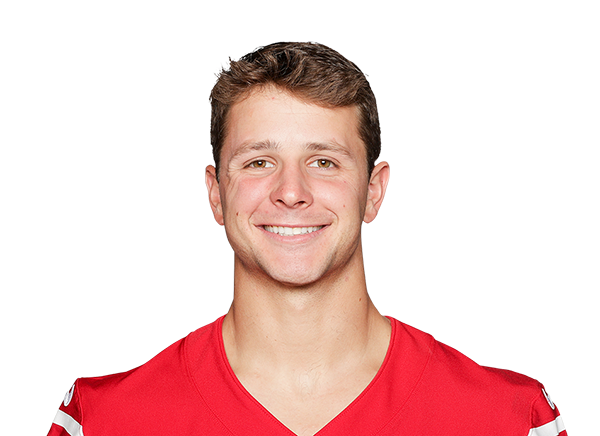
Brock Purdy
QB #13 · SF
2026 season numbers
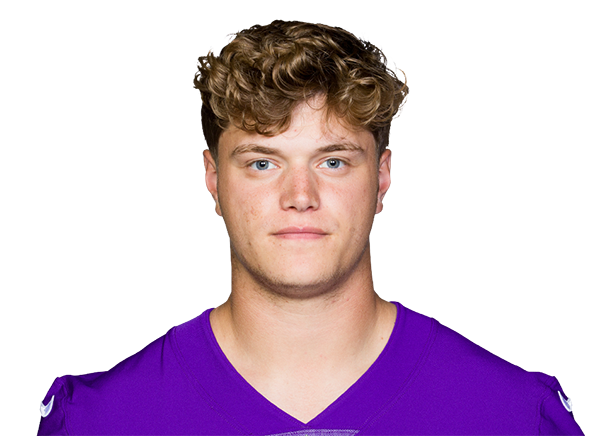
J.J. McCarthy
QB #18 · NYG
2026 season numbers
The Read
San Francisco's quarterback: Brock Purdy has had a strong 2026 season, connecting at a high rate across a full range of distances and producing a high volume of touchdowns with very few turnovers. He processes the field quickly and operates with consistent efficiency.
New York's quarterback: J.J. McCarthy has had a quiet 2026 season by passing measures, completing a lower percentage of his attempts with limited yardage and a thin touchdown total. He has avoided costly interceptions, but the overall passing production has been limited.
The protection: Purdy has absorbed sacks at a reasonable rate relative to how often he drops back, suggesting his line manages the pocket well under volume. McCarthy has taken a slightly lower sack count but works within a far more condensed passing game, so the protection gap is narrower than the sack totals alone suggest.
Overall: Purdy holds a substantial edge as a passer in the 2026 season, running a high-output attack that McCarthy has not come close to matching by any aerial measure. San Francisco carries the clearer advantage under center, and New York will need strong play from other phases to offset the gap at quarterback.
Team Conditions
Schedule rest, recent form, and the current injury report.
SFNYG
Rest
Standard week of preparation, 6 days rest.
Standard week of preparation, 7 days rest.
Form
2026 record 9-1 (home 6-0, road 3-1)
2026 record 6-3-1 (home 4-2, road 2-1-1)
InjuryKey Players
M. Evans (WR) - NOV 29 · Questionable
D. Greenlaw (LB) - NOV 28 · Questionable
B. Purdy (QB) - NOV 27 · Out
J. Watkins (WR) - NOV 27 · Out
C. McKivitz (OT) - NOV 26 · Injured Reserve
D. Phillips (CB) - NOV 29 · Questionable
E. Campbell (S) - NOV 29 · Out
S. Harris (DT) - NOV 28 · Out
G. Newsome II (CB) - NOV 25 · Injured Reserve
T. Tracy Jr. (RB) - NOV 18 · Injured Reserve
The Read
San Francisco's availability: Brock Purdy is confirmed out, which removes the starting quarterback from a road game entirely and is the most consequential injury in this matchup. Beyond that, the receiver room is short-handed with one wideout out and another questionable, and an offensive tackle already on injured reserve adds further strain to the offensive personnel.
New York's availability: The secondary has absorbed real losses, with a safety and a defensive tackle both confirmed out and a cornerback on injured reserve, while another corner carries a questionable tag into game week. The back four will be undermanned regardless of how the final designations resolve.
Rest and form: Both teams enter on a standard week of preparation, with New York holding a slight edge in days off. San Francisco has been among the strongest teams in the 2026 season by record, losing very rarely, while New York has been less consistent, mixing losses against beatable opponents into an otherwise serviceable stretch.
Overall: San Francisco's record in the 2026 season reflects a meaningfully stronger team, but Purdy's confirmed absence on the road is a genuine equalizer. New York's depleted secondary softens the blow somewhat for whoever takes snaps for San Francisco, keeping the passing game viable even with a backup under center. The personnel picture pulls in both directions, and the actual gap between these teams on the field is narrower than their season records would suggest.
Weather & Stadium
Game-time conditions and whether they actually matter here.
40°F
MetLife Stadium
Open Air
Roof: Open air, conditions are in play
Temperature: 40°F, cold enough to affect grip on deep throws and the kicking game
Wind: 8mph, light enough to leave the passing and kicking game alone
Precipitation: 5% chance, rain looks unlikely in the latest forecast
The Read
The stadium: MetLife Stadium is open air, so atmospheric conditions apply to the full game. Cold is the operative variable here, with the wind too light and the precipitation forecast too clean to compound it.
The conditions: Cold air affects grip on deep passes and compresses kicker range, with no rain or strong wind to add further friction. Outside of the temperature, the game environment is clean.
Overall: The cold registers as a mild suppressor on the game total, most directly through the deep passing game. San Francisco, visiting a cold open-air stadium, absorbs a small additional layer of unfamiliarity compared to the home side. The conditions are real but not severe enough to tilt either team's approach sharply.
Side Write-Up
San Francisco enters the 2026 season as the clearly superior team by record, running the most efficient offense in the league and deploying the best run defense in football against a New York ground game that already sits below the league average. The matchup structure favors San Francisco across both phases, with New York's two most exploitable defensive weaknesses, a soft red zone and an overmatched run defense, pointing directly at what San Francisco does best. The strongest counterargument is Purdy's confirmed absence on the road, and it is a real one, as losing the starting quarterback for a road game is a genuine equalizer and the gap between these teams on the field is narrower than their 2026 season records suggest. What softens that blow is the state of New York's secondary, which loses a safety and a defensive tackle to confirmed absences while carrying a cornerback already on injured reserve and another listed as questionable, leaving the back four undermanned in a way that keeps the passing game viable for whoever takes snaps under center. San Francisco's receiver room is also shorthanded, but the coverage they will face is thinned out enough that the backup quarterback operates in a friendlier aerial environment than the injury report alone implies. New York's offense has to generate points against the best run defense in the league in the 2026 season, working with McCarthy's limited passing production and a turnover rate that consistently works against the team. San Francisco's depth advantage across the roster and the structural matchup gains it carries into this game produce a stronger case for the visitors than the Purdy injury can fully erase.
Final PickSan Francisco
Total Write-Up
San Francisco carries the most efficient offense in the league into the 2026 season, one that leads the NFL in red zone touchdowns, and it faces a New York defense that surrenders touchdowns inside the twenty at a rate that falls near the bottom of football. The backup quarterback situation matters less for scoring than it might elsewhere because New York's secondary has absorbed significant losses, with a safety confirmed out, a cornerback already on injured reserve, and another listed as questionable, keeping the passing game viable regardless of who takes snaps under center. San Francisco's pass rush sits near the bottom of the NFL, which leaves the defense exposed through the air and gives McCarthy a workable channel even if his production in the 2026 season has been limited. New York's run game, below average heading into this game, runs into the best run defense in the league in the 2026 season, so New York will lean on the passing game to find consistent offense and that plays directly into the coverage vulnerabilities San Francisco carries in its back seven. The strongest counterargument is the cold at MetLife Stadium, which registers as a real suppressor on the game total and bears down most directly on the deep passing game, while a backup quarterback absorbing that environment on the road adds further compression to San Francisco's aerial range. The temperature is genuine friction, but the forecast carries no rain and very light wind, leaving the conditions too clean to shift either team's approach sharply or systematically cut into scoring by themselves. San Francisco's red zone efficiency targets New York's weakest defensive zone, the coverage behind the defense is thinner than it would be with a healthy secondary, and McCarthy has a path through the air against a pass rush that sits near the bottom of the NFL, keeping the total in play from both directions.
Final PickOver

Written by
Trevor Nolan
This information is for entertainment purposes only and is not any form of financial or gambling advice. Sports involve high variance therefore always be responsible and manage your risk accordingly.
All stats are publicly graded and pulled from real sportsbook accounts.
THEMONEYPLAYSNFL Record: 949 - 531NFL+$171k
MMA+$42k
Others+$23k
Other games this week
 NFL
 VS
 New Orleans Saints vs Cincinnati Bengals1:00 PM ET›NFL
 VS
 New York Giants vs Indianapolis Colts1:00 PM ET›NFL
 VS
 New York Jets vs Miami Dolphins1:00 PM ET›NFL
 VS
 Atlanta Falcons vs Minnesota Vikings1:00 PM ET›NFL
 VS
 Tennessee Titans vs Jacksonville Jaguars1:00 PM ET›NFL
 VS
 Baltimore Ravens vs Houston Texans1:00 PM ET›NFL
 VS
 New England Patriots vs Los Angeles Chargers4:05 PM ET›NFL
 VS
 Washington Commanders vs Arizona Cardinals4:25 PM ET›NFL
 VS
 Seattle Seahawks vs San Francisco 49ers4:25 PM ET›NFL
 VS
 Las Vegas Raiders vs Cleveland Browns8:20 PM ET›
Promos for Your Next Bet
Current offers for your area. Pick your region and the list updates.
Select Your Location